Parviz Morewedge
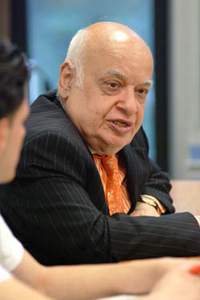
Parviz Morewedge (UCLA: B.A., Ph.D.) is the author/editor of 14 books and 70 essays/reviews. He taught for over 57 years at US Universities, including Cornell, Columbia, and UCLA and held seminars in 24 countries. He also served as a UN diplomat for 15 years and was employed for six years in logical design (PC and Automata). He is the CEO of Global Scholarly Publications, which has published 500 books and 10 journals.
James W. Morris
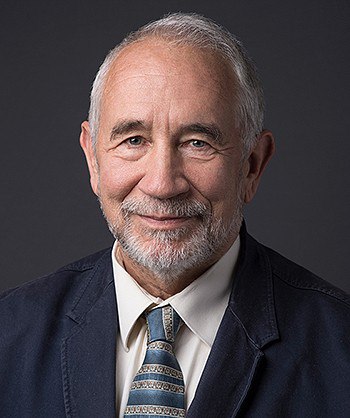 Dr. James Morris is Professor of Islamic Studies in the University’s Theology department and Islamic Civilization and Societies program. He is a prolific author, having written dozens of journal articles along with thirteen books, including most recently, The Reflective Heart: Discovering Spiritual Intelligence in Ibn Arabī’s Meccan Illuminations’; Orientations: Islamic Thought in a World Civilization; and The Master and the Disciple: An Early Islamic Spiritual Dialogue. He has often interviewed on current issues for the BBC and international journals and newspapers dealing with the Middle East.
Carl W. Ernst
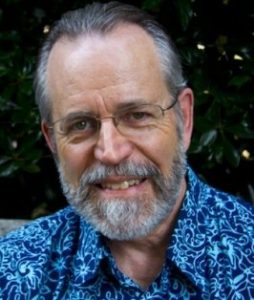 Carl W. Ernst (born September 8, 1950, in Los Angeles, California) is the William R. Kenan, Jr., Distinguished Professor Emeritus of Islamic studies at the Department of Religious Studies at the University of North Carolina at Chapel Hill. He was also the founding director (2003-2022) of the UNC Center for Islamic and Middle East Studies.
Mehdi Aminrazavi
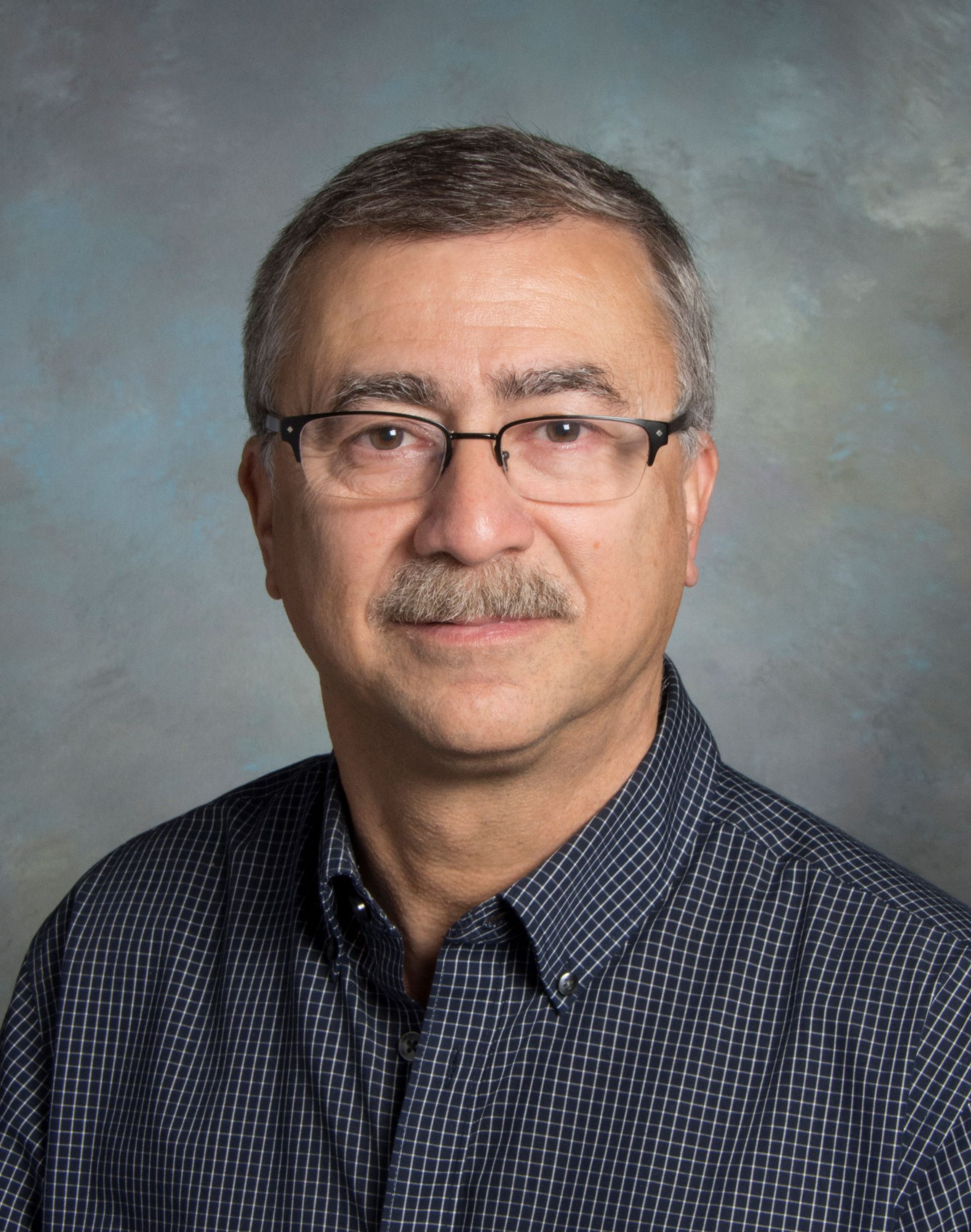 Mehdi Aminrazavi (born September 22, 1957) is an Iranian scholar of philosophy and mysticism. He is the Kurt Leidecker Chair in Asian Studies and a professor of philosophy and religion as well as director of the Center for Middle Eastern Studies Program at the University of Mary Washington. Aminrazavi is a member of a number of prestigious national and international philosophical and religious organizations including the American Academy of Religion, the American Philosophical Association and the Middle Eastern Society of America. Some of his notable works include: Philosophy, Religion and the Question of Intolerance (1997) Suhrawardi and the School of Illumination (1997)Philosophy, Religion, and the Question of Intolerance (1997) with David Ambuel An Anthology of Philosophy in Persia with Seyyed Hossein Nasr The Islamic Intellectual Tradition in Persia (1996) with Seyyed Hossein Nasr The Wine Of Wisdom: The Life, Work, And The Legacy Of Omar Khayyam (2005) Islamic Philosophy & Theology: An Online Textbook for Colleges (2010)
Peter Adamson
 Peter Adamson’s primary areas of interest are late ancient philosophy and Arabic philosophy. His two monographs deal with the Arabic version of Plotinus, the so-called “Theology of Aristotle,” and with al-Kindi (d. after 870 AD). He has devoted articles to several figures of the Greek tradition: Aristotle, Plotinus, and Porphyry; and numerous philosophers of the Arabic tradition, including al-Kindi, Abu Bakr al-Razi, Yahya Ibn ‘Adi, Miskawayh, Avicenna, and Averroes. He has also edited several books including, most recently, “In the Age of Averroes” published by the Warburg Institute. In 2012 Prof Adamson moved to the LMU from King’s College London, which is the home of a research project he oversees, on “Natural Philosophy in the Islamic World,” funded by the Leverhulme Trust. He is also the host of the History of Philosophy podcast.
Professor Adamson holds a joint appointment with the Ludwig Maximilian University of Munich. During 2012-13, he will be at King’s in the Spring term for a research seminar on Late Ancient Philosophy.
Eric Alexander Winkel
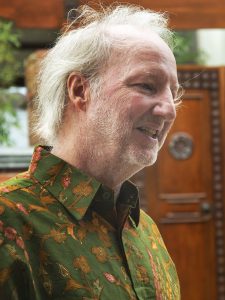
At Haverford College (BA), then the University of Pennsylvania (MA), then the University of South Carolina (PhD), Eric Winkel undertook eclectic studies, mostly religion at first, focusing on spiritual matters, then later including political science, and numerous languages to enable study of religious and spiritual texts (Sanskrit, Greek, Coptic, Tamil, Arabic, others, besides French and German). His book “Mysteries of Purity, Ibn al-‘Arabî’s asrâr al-țahârah” (Notre Dame, 1995) was Chapter 68 of the Futuhat al-Makkiyya. While Senior Research Fellow at the Institute of Advanced Islamic Studies in Malaysia, he explored how the concepts of the “new sciences” opened obscure and difficult passages of the Futuhat.
Having studied Ibn Arabi’s Futuhat al-Makkiyya for over twenty-five years, Eric Winkel is now in the midst of an eleven-year project to produce the first complete translation of this work. For more information see links below to The Futūḥāt Project
The Futūḥāt Project
Cyrus Ali Zargar
 Cyrus Ali Zargar, Ph.D. is the Endowed Al-Ghazali Distinguished Professor in Islamic Studies. He earned his Ph.D. from the University of California, Berkeley in Near Eastern Studies in 2008. Dr. Zargar’s research interests include Classical Sufism, Islamic Philosophy, Arabic and Persian Sufi Literature, and Ethics in Literature and Film.
Dr. Zargar is currently completing a book titled Religion of Love: Farīd al-Dīn ʿAṭṭār (d. 1221) and the Sufi Tradition for State University of New York Press. This monograph considers space, time, and praxis in the Persian Sufi poetry of ʿAṭṭār, focusing on the development of sacred symbols. His most recent book, The Polished Mirror: Storytelling and the Pursuit of Virtue in Islamic Philosophy and Sufism, was published in December of 2017.
Tahir Uluc
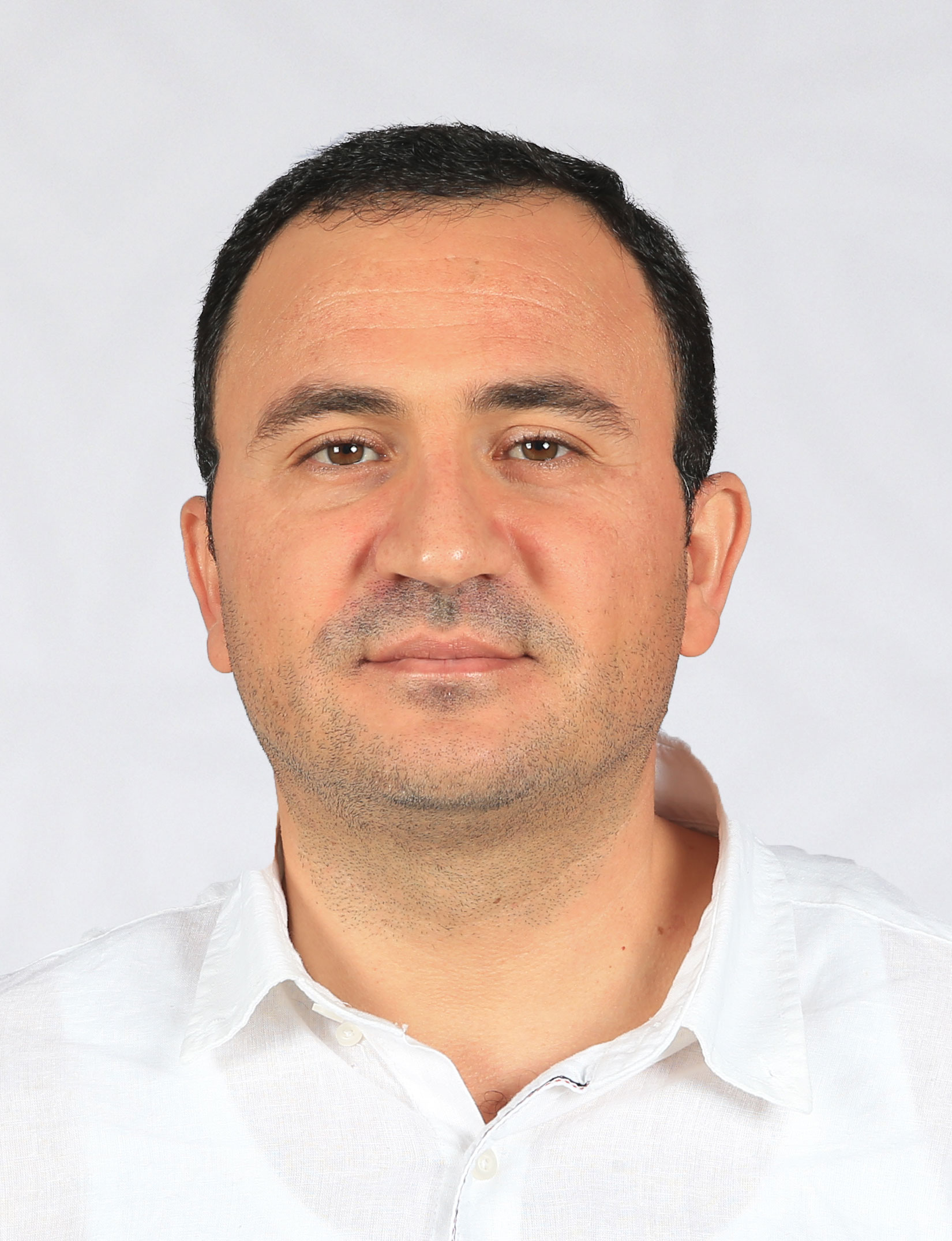 He was born on May 05, 1977 in Ceyhan, Adana, Turkey. He completed his primary, secondary and high school education in his hometown. He was admitted to the Faculty of Divinity of Selçuk University in Konya in 1994 and graduated from there in 1999. In the same year, he was admitted to the master’s program of Sufi Studies in the Social Sciences Institute of Selçuk University. He was appointed as Research Assistant in the same year in the same institute. He earned his MA degree in 2001 with his dissertation entitled “Wearing and Investing Khirqa in Sufi Tradition.” In the same year, he was admitted to the doctoral program of Islamic Philosophy in the same institute. He earned his PhD degree in 2005 with his dissertation entitled “Mystical Symbolism in Ibn Arabi.”
Some of his works include Suhrawardi’s Criticism of Ibn Sina, Mystical Symbolism in Ibn Arabi, the Turkish translation of Shihab al-Din Suhrawardi’s Hikmat al-Ishraq, the Turkish translation of Shihabaddin Suhrawardi’s Futuvvatnama, the Turkish translation of Abdurrazzaq Kashani’s Tuḥfat al-Ikhwan fi Khaṣaiṣi’l-Fityan, the Turkish translation of Al Kitab Ul Tazkari of Muhyiddin Ibn Arabi, Contemporary Turkish Thought, Four Gates-Forty Stations: The Stages of Spiritual Journey, The Book of the Signposts of Right Guidance and the Creed of the God-Fearing: The Creed of Suhrawardi, Kitab al-Tawḥid: Rational Roots of Islamic Monotheistic Belief (the English translation of Maturidi’s Kitab al-Tawḥid).
Alexander Knysh
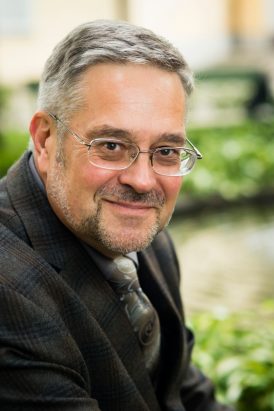 Alexander Knysh is Professor of Islamic Studies at the University of Michigan and Director of an Islamic studies program at the St. Petersburg State University, Russia. His academic interests include Sufism, Qur’anic studies, the history of Muslim theological, philosophical and juridical thought, and modern Islamic/Islamist movements in comparative perspective.
He has numerous publications on these subjects, including twelve books. His latest books are Islam in Historical Perspective, 2 nd edition (New York and London: Routledge, 2017), Sufism: A New History of Islamic Mysticism (Princeton and Oxford: Princeton University Press, 2017), Sufi Cosmology (co-edited with Christian Lange; Leiden and Boston: E.J. Brill 2022), and Sufism after the USSR (in Russian, co-edited with Igor Pankov and Sergei Abashin; Moscow and St. Petersburg: Marjani Foundation and al-Maqam, 2022).
Alexander Knysh serves as sectional editor for “Sufism” of the Encyclopedia of Islam, Third Edition (E.J. Brill) and as Executive Editor of the E.J. Brill Handbooks of Islamic Mysticism book series. He lives in Ann Arbor, Michigan.
Ammar Fauzi Heryadi
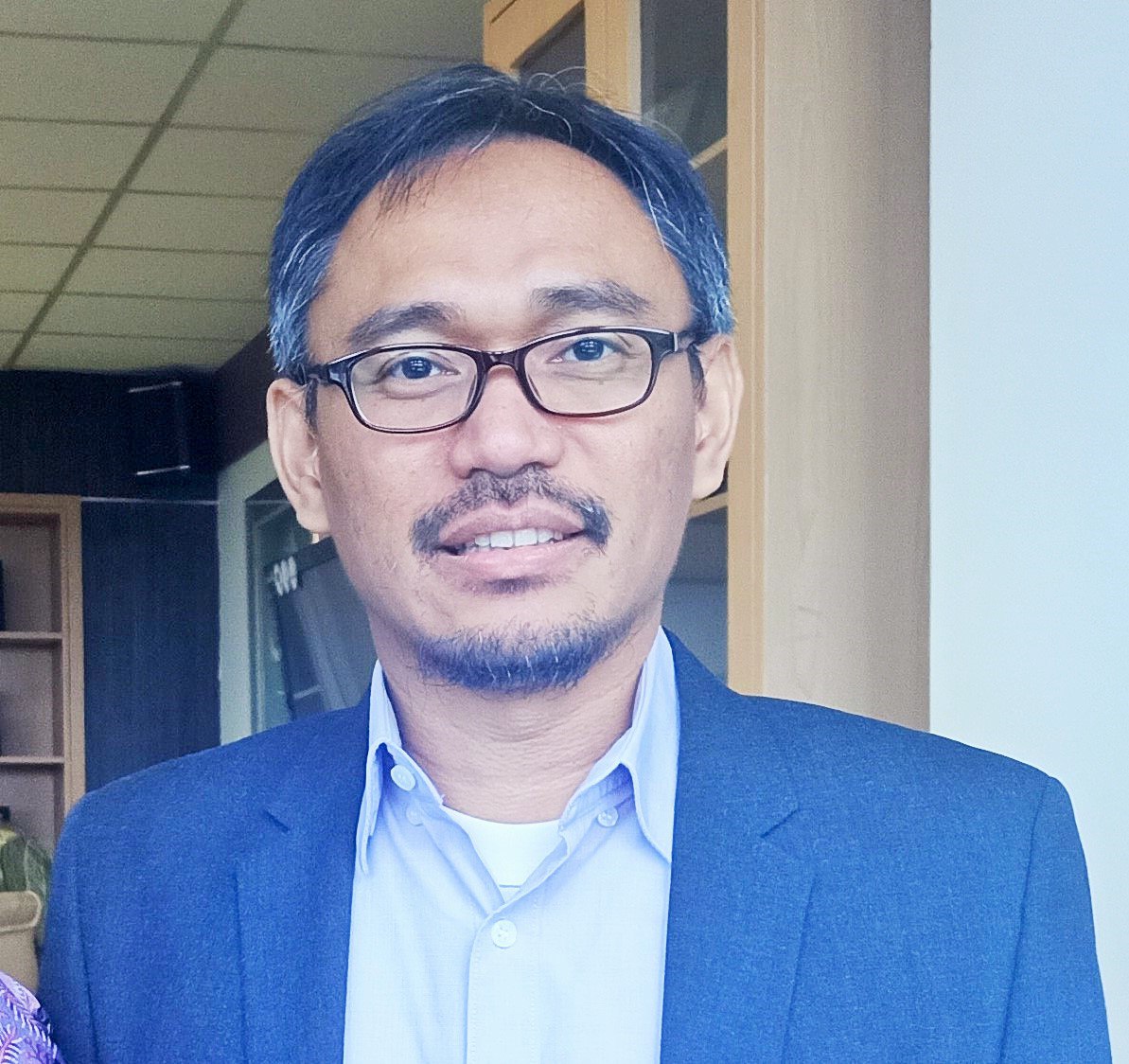
Lecturer, Sekolah Tinggi Filsafat Islam Sadra
Baharudin Ahmad
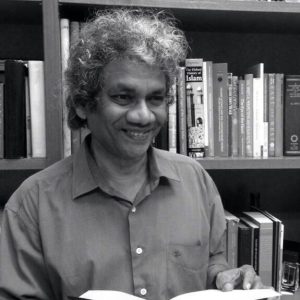
Dr. Baharuddin Ahmad. M.A., Ph.D. (Temple), Distinguished Fellow, Muslim World Research Centre.
Osman Bakar
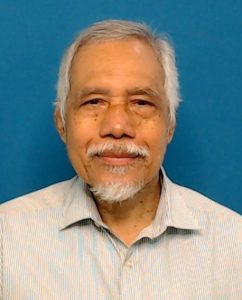
Osman Bakar, a doctorate in Islamic philosophy from Temple University, Philadelphia (USA) is currently Holder of Al-Ghazali Chair of Epistemology and Civilizational Studies and Renewal at the International Institute of Islamic Thought and Civilization (ISTAC), International Islamic University Malaysia (IIUM). He is also Emeritus Professor in Philosophy of Science at University of Malaya. He was formerly Distinguished Professor and Director of Sultan Omar ‘Ali Saifuddien Centre for Islamic Studies (SOASCIS), Universiti Brunei Darussalam. Dr Osman was also formerly Malaysia Chair of Islam in Southeast Asia at the Prince Talal al-Waleed Center for Muslim-Christian Understanding, Georgetown University, Washington DC, and Deputy Vice Chancellor (Academic and Research) at University of Malaya. Dr Osman is author and editor of 40 books and more than 300 articles on various aspects of Islamic thought and civilization, particularly Islamic science and philosophy in which he is a leading authority. His most well-known books are Classification of Knowledge in Islam (1992) and Tawhid and Science (1992). His latest books are titled Al-Farabi: Life, Works and Significance (2018) (new second edition) and Colonialism in the Malay Archipelago: Civilizational Encounters (co-editor) (2020). He has been named among the 500 most influential Muslims in the world since 2009. He was made a Dato’ in 1994 by HRH Sultan of Pahang and a Datuk by HM the King of Malaysia in 2000.
Nano Warno
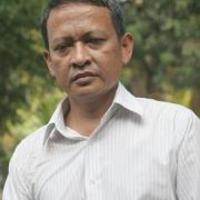
Lecturer, Sekolah Tinggi Filsafat Islam Sadra
KH. Husein Muhammad
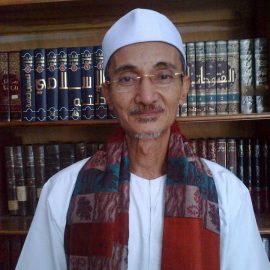
KH. Husein Muhammad is one of the few male scholars who sparked critical thoughts based on religious texts and yellow books as an effort to defend women’s rights and dissect the establishment of unequal relationships. Other feminist figures with like-mindedness include: Lies Marcoes, Wardah Hafidz, Masdar F Mas’udi, Margot Badran, Asma Barlas, Amina Wadud, Fatima Mernissi, Lois Lamya al-Faruqi.There are about 10 more works that have been written by Buya Husein. One of his books that is widely used as a reference for women activists is “Fiqh Perempuan, Refleksi Kyai atas Wacana Agama dan Gender” (Women’s Fiqh, Islamic teacher’s Reflections on Religious and Gender Discourses). His other works are “ Islam Agama Ramah Perempuan”(Islamic Religion Friendly to Women), “Ijtihad Kiyai Husein, Upaya Membangun Keadilan Gender”(Ijtihad Kiyai Husein, Efforts to Build Gender Justice), “Dawrah Fiqh Perempuan” (training module), “Figh Seksualitas” (Fiqh of Sexuality), “Fiqh HIV/ AIDS” ( Fiqh of HIV / AIDS), “Mengaji Pluralisme Kepada Maha Guru Pencerahan ” (Studies Pluralism to Supreme Teachers. Enlightenment),” Sang Zahid, Mengarungi Sufisme Gus Dur” ( The Zahid, Navigating Gus Dur‘s Sufism),” Menyusuri Jalan Cahaya” (Along the Path of Light ), and others.
Mohammed Rustom
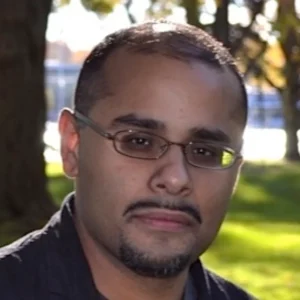
Mohammed Rustom is Professor of Islamic Thought and Global Philosophy at Carleton University and Director of the Carleton Centre for the Study of Islam. He has been the recipient of a number of academic distinctions and prizes such as the Ibn ‘Arabi Society Latina’s Tarjuman Prize, a Templeton Foundation Global Philosophy of Religion grant, The Institute of Ismaili Studies’ Annemarie Schimmel Fellowship, Iran’s World Prize for the Book of the Year, and Senior Fellowships courtesy of the NYU Abu Dhabi Institute’s Library of Arabic Literature and Humanities Research Fellowship programs.
An internationally recognized scholar whose works have been translated into over ten languages, Professor Rustom’s research focuses on Islamic philosophy, Arabic and Persian Sufi literature, Quranic exegesis, translation theory, and cross-cultural philosophy. He is author of The Triumph of Mercy: Philosophy and Scripture in Mulla Sadra (SUNY Press, 2012), co-editor of The Study Quran: A New Translation and Commentary (HarperOne, 2015), and translator of Abu Hamid al-Ghazali, The Condemnation of Pride and Self-Admiration (Islamic Texts Society, 2018).
Dr. Rustom’s more recent books include Inrushes of the Heart: The Sufi Philosophy of ‘Ayn al-Qudat (SUNY Press, 2023), The Essence of Reality: A Defense of Philosophical Sufism (NYU Press, 2022), and Global Philosophy: A Sourcebook (Equinox, in press)
Professor Rustom is also Editor of Equinox Publishing’s Global Philosophy series and Editorial Board member of the Library of Arabic Literature (NYU Press).